What the platform covers
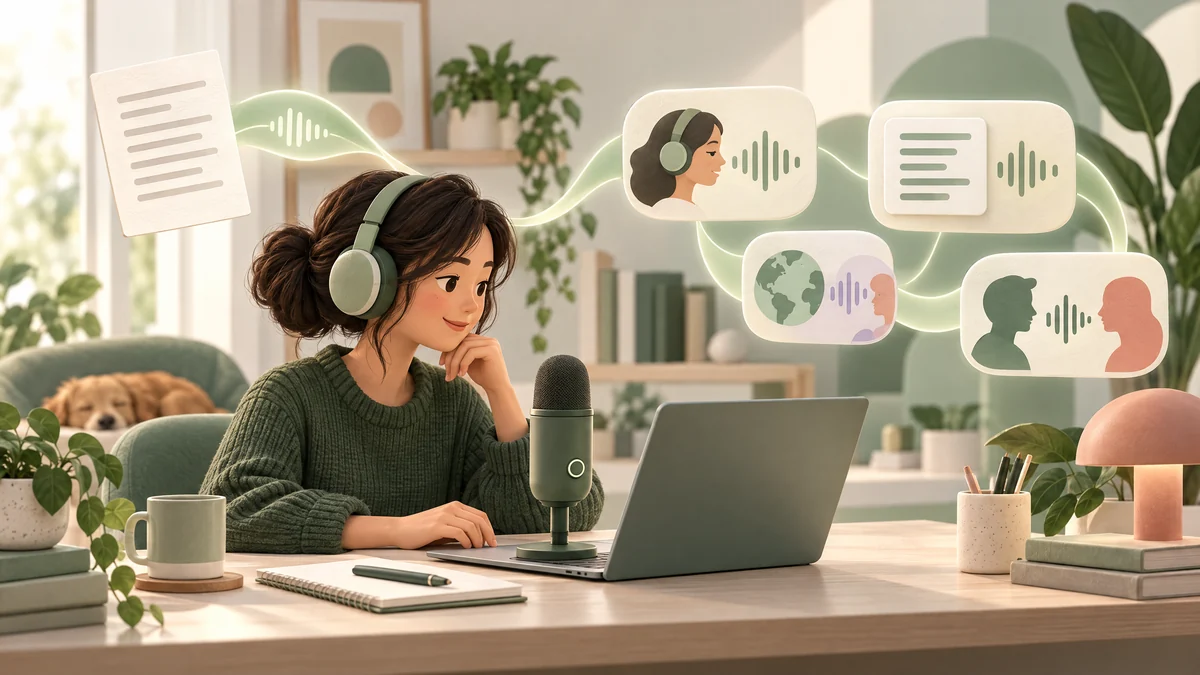
ElevenLabs is a voice and audio AI provider. Its public product pages cover text-to-speech, speech-to-text, dubbing, voice design and cloning, sound effects, music, developer APIs and conversational voice agents. These are different workflows, and features or limits can vary by plan, model and product area. The provider’s claims describe its own offering; we have not independently measured quality, latency, availability or reliability.
For a first test, match the tool to one job: use text-to-speech for narration, speech-to-text for transcripts, dubbing for localization, an API for a repeatable software workflow, or an agent product for spoken interactions. A broader bundle is not automatically better if you only need one of these.
How to compare the voice workflow
- Choose a real sample task. Use a short script that reflects your intended style, terminology and sentence length.
- Check the exact model and language. The product pages describe different model families and language coverage. Test the accent, pronunciation, speaker control and output format you actually need.
- Listen for failure points. Review names, numbers, pauses, emotion, speaker changes and difficult words. A convincing short demo is not proof that a long recording will need no editing.
- Estimate usage before scaling. Record the input size, audio duration, model and product used, then compare that with the current credit rules and plan limits.
- Keep a human review step. Correct pronunciations and factual errors, and get approval before distributing synthetic speech in a context where listeners could mistake it for a real person.
Pricing and credits: check the meter, not just the plan name
The pricing page has tiered plans and product-specific inclusions, and it can display temporary offers. Avoid treating a promotion or a headline credit allowance as a permanent price. The official documentation currently says text-to-speech uses one credit per input character, while other operations are charged by audio duration. It also says subscription credits reset monthly and unused credits roll over for up to two months. Confirm how a particular operation is metered on the live pricing page before estimating a recurring workload.
The pricing page currently lists a commercial license on Starter and higher tiers. The Terms of Use say Free Users may use the services only for non-commercial purposes; Paid Users may use them commercially, subject to the Terms and Prohibited Use Policy. These rules do not replace rights clearance for voices or other inputs. If you plan to make client work, ads, paid courses or other commercial content, confirm the precise plan entitlement and output terms before publishing.
For a fair comparison, include monthly credits, overage or pay-as-you-go charges, output quality, API or concurrency limits, taxes, renewal timing and the cost of editing. Check the live pricing page for current prices and plan details; availability and promotions may change.
Voice rights, consent and responsible use
The Terms require users to have the rights needed for the content they submit and describe custom voice models as based on the user’s own voice or a voice they are authorized to share. The Prohibited Use Policy addresses impersonation, deception, privacy and lawful use. Do not clone or imitate someone’s voice without permission, use synthetic speech to mislead listeners, or imply that a real person said something they did not say.
For a team or client workflow, keep a clear record of who approved the voice, what use was authorized, where the audio will appear and how consent can be withdrawn. Review the destination platform’s synthetic-media rules too; a provider’s tool policy does not replace another platform’s rules or applicable law.
Read the content and data terms before uploading
The current Terms of Use state that submitted content is licensed to the provider to operate and improve its services and develop new services and products. The terms describe that license as perpetual, worldwide and sublicensable, among other conditions. A separate section says users can opt out of using their content for training from the account’s Data use settings after the request is processed; it does not undo uses that happened earlier. Those clauses matter if you plan to upload client recordings, confidential scripts or personal data.
Before sending sensitive material, read the live Terms, Privacy Policy and any applicable data-processing agreement. Use only content you are authorized to submit, and do not assume that a paid subscription automatically gives you a particular retention, deletion, confidentiality or data-residency guarantee.
Who may find it worth testing?
It may suit creators who need speech generation or localization, developers building audio features, and teams that want to evaluate a family of voice and audio tools. It may be a poor fit if your workflow requires an untested language or accent, a fixed cost for unpredictable volume, rights you cannot clear, or data controls that are not included in the plan you are considering.
A practical trial is narrow: test one representative script with non-sensitive material, verify the output quality and credit use, read the commercial and voice-authorization terms, then decide whether a paid tier or another provider fits better. Do not scale until the cost, consent and review process are clear.
Frequently asked questions
Does the referral link guarantee a discount?
No discount or bonus tied to this specific link has been verified. Check the final price, renewal terms and any offer shown during signup before subscribing.
Can I use output from the free plan commercially?
The Terms of Use currently restrict Free Users to non-commercial use. The pricing page lists commercial licensing on Starter and above, but confirm the current plan terms and the use policy for your specific output.
Can I clone another person’s voice?
Only use a voice you own or are authorized to share, and do not use synthetic speech to impersonate or deceive. Review the current policy and the applicable consent requirements before creating or distributing a voice model.
Are the published language and model limits universal?
No. Product pages describe different models, languages and limits. Check the exact model and plan, then test your own material in the language and format you intend to publish.
Explore the provider’s current plans
Review the live features, pricing and terms before you upload content or subscribe. No discount for the referral link below has been confirmed.